The definition of an “accessible” home is expanding beyond traditional modifications. Property managers must understand resident needs and how modern smart technology can help address them. These systems offer powerful new capabilities, but they also come with potential drawbacks.
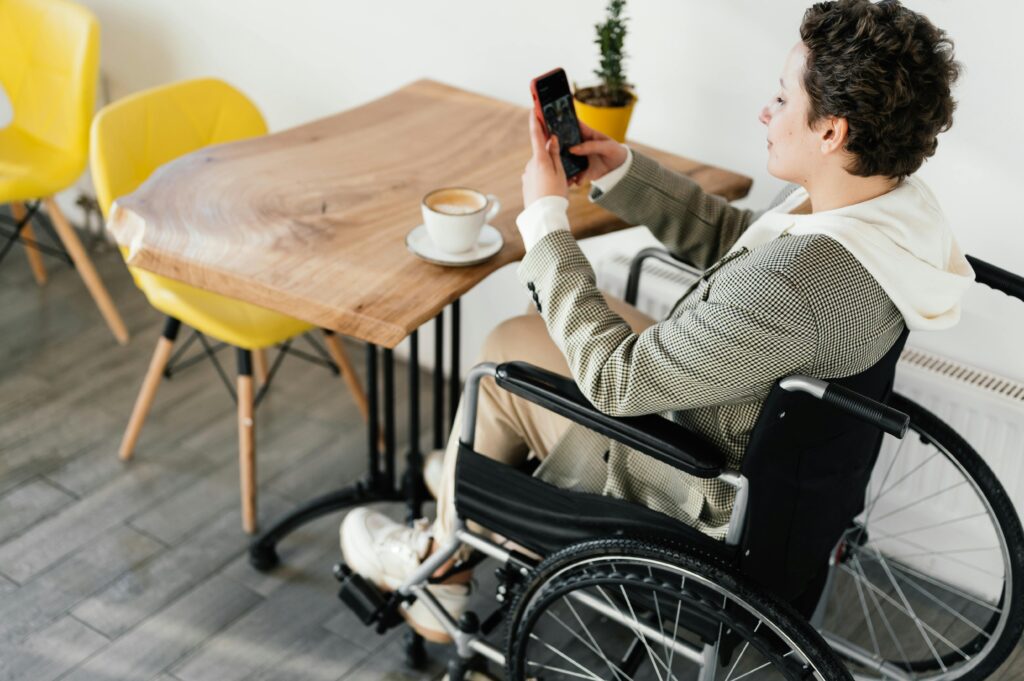
According to The Mortgage Point, older adults accounted for 13.4% of the total renter population in 2025, with more than 10.4 million individuals renting homes. Innovative home access technology can serve aging tenants, as well as those with disabilities or limited mobility.
Smart locks and entry systems can aid tenants who may struggle with traditional keys, including those with limited dexterity or mobility. Options include voice commands, fingerprint scanners and smartphone apps. For example, some systems use Bluetooth to automatically unlock a door when a recognized fob is in range.
Keyless entry can enable temporary access management, such as time-limited access codes for service personnel, caregivers or visitors. It also minimizes the hassle of replacing lost keys or changing locks.
Many smart features can enhance home safety, including voice-activated lighting for those who struggle with switches, smoke detectors that automatically send alerts and remote-accessible garage door openers. This trend is quickly becoming mainstream, with experts predicting that smart home technology will be implemented in an estimated 103.15 million U.S. homes by 2028.
This technology can boost independence and aging in place by allowing older individuals to manage their living environment with less reliance on caregivers. Younger tenants can also benefit from the added convenience and security that these modern systems provide.
Video doorbells and intercom systems allow tenants to see who’s at the door without having to open it first. The systems typically include a motion-activated outdoor camera and microphone that can transmit their feeds to a personal device, enabling two-way interaction.
This capability is handy for tenants who are vulnerable to scams. According to the FBI, fraudsters and scammers target millions of senior citizens annually. They may impersonate government employees, home improvement providers or even family members. Improved security features can help keep these residents better informed about who’s at the door.
While modern technologies offer numerous accessibility, convenience and security benefits, they can unintentionally introduce new risks or forms of exclusion.
Though smartphone ownership is steadily increasing among older generations, not all tenants are comfortable with technology. Those who are not technologically savvy, cannot afford a smartphone or lack a reliable Wi-Fi connection may not be able to use smart home features.
Property owners and tenants should prioritize systems that run locally and have ceullualr backup capabilities. They should continue providing physical keys and analog switches for those who prefer traditional methods.
Some tenants may worry that cameras, microphones and other modern devices may infringe on their privacy. Property managers must establish and share clear policies regarding tenant device monitoring and data collection to ensure privacy.
Legal regulations may vary by state. For example, under the New York City Tenant Data Privacy Act, property owners must obtain consent to collect authentication and reference data and must destroy it within roughly three months. Tracking tenants through smart access systems or disclosing their data to another person is strictly prohibited.
Even the most advanced technology can fail. A tenant may become locked out if their smart battery dies or voice-activated lights may suddenly stop turning on. These issues can quickly result in inaccessibility and safety concerns.
Lease agreements must outline clear maintenance protocols, including who is responsible for system failures, and must include actionable backup plans. Systems should also be regularly checked for firmware updates and other alerts.
Property owners must take a thoughtful approach to smart home technology to avoid creating new frustrations or risks for their tenants. They must have prompt maintenance plans and stay up to date with privacy laws. The best solutions are practical, reliable and empowering. Above all, they must truly meet tenant needs.
 info@housing-disrepair.org
 0333 050 8887
