Home ownership is a dream for many due to the increased real estate prices. In the UK, the share of the population occupying a rental apartment decreased since 1980, but started increasing again after 2003. As per 2025 data published by Statista, 35.2% of the population rented homes, mainly from a private landlord.
For many older renters, the right home can mean the difference between confident independence and daily struggle. A senior‑friendly rental goes beyond basic safety checks. It should support mobility, comfort, and peace of mind. As a landlord, you can invest in some simple adaptations that reduce fall risks, improve accessibility, and make everyday tasks easier.
With these modifications, your home becomes attractive to senior renters. Age-friendly improvements are a smart long‑term investment, too. In this article, we will explain how you can make your rental home senior-friendly.
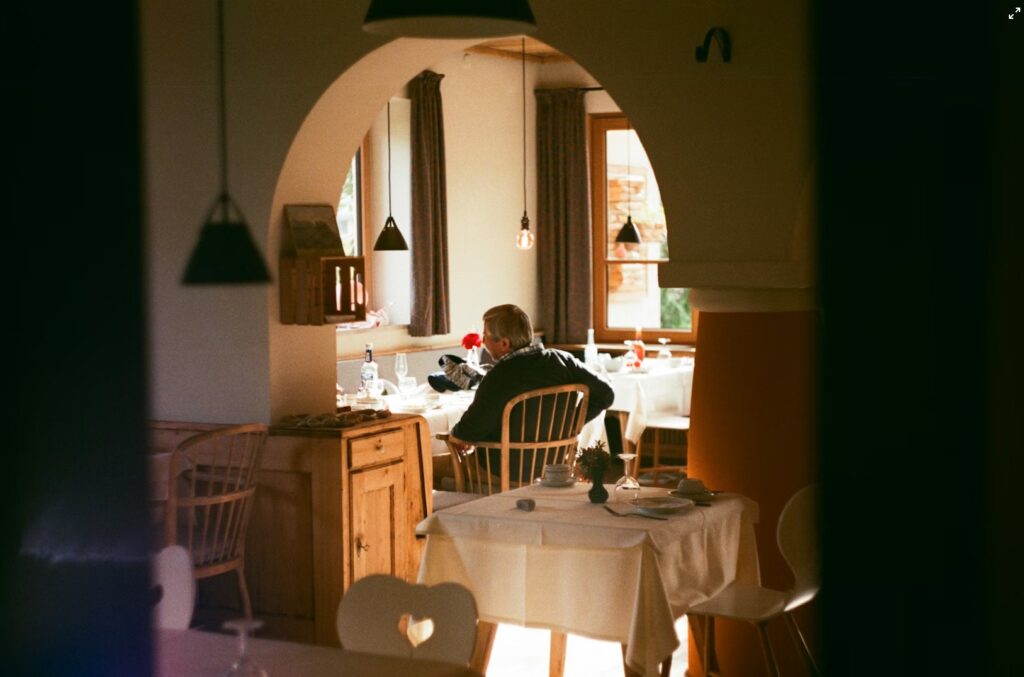
Accessibility should be the foundation of any senior‑friendly rental, where mobility issues, arthritis, or visual changes are common concerns. According to Southern Living, universal design principles are ideal if you want a thoughtfully planned home that supports a wide range of needs. Such spaces ensure accessibility and everyday functionality, all from the start.
Aim for step‑free or low‑threshold entrances, sturdy handrails on any stairs, and wide, clear circulation routes through halls and around furniture. Lever‑style door handles and mixer taps are easier to operate with limited grip strength. Light switches and sockets should be placed at reachable heights so older tenants do not need to stretch or bend awkwardly.
In bathrooms, consider walk‑in showers with slip‑resistant flooring, a fold‑down seat, and well‑placed grab rails. The good thing is that these features can often be installed without major structural work. In kitchens, prioritise easy‑to‑reach storage such as pull‑out drawers rather than deep, low cupboards.
Falls are one of the biggest risks for older adults. The UK government website reports that more than 3 million people here live with osteoporosis, which puts them at a greater risk of fragility fractures. Hip fractures alone result in 1.8 million hospital bed days and hospital costs of £1.1 billion annually.
Reducing trip and slip hazards is crucial if you want to make your rental home senior-friendly. Start by ensuring that flooring is level between rooms, with any unavoidable thresholds clearly visible and as low as possible. Kitchens, bathrooms, and entrances should have non‑slip surfaces.
Good basic safety equipment is equally important. This includes working smoke and carbon‑monoxide alarms, easy‑to‑operate window and door locks, and clearly marked shut‑off points for gas, water, and electricity. Where possible, add motion‑sensor or night‑lights in hallways, bathrooms, and stairwells to help older tenants move safely at night.
The emotional environment matters just as much as the physical one when seniors spend more time at home. Many struggle with chronic diseases and treatment-related complications, such as cancer survivors having implantable ports. The port catheter lawsuit is a reminder of how defective devices can make the journey harder for patients.
According to TorHoerman Law, devices like Bard PowerPort have been linked with complications like breakage, migration, and infections. Patients have filed lawsuits against manufacturers, alleging design defects and seeking compensation. For someone going through such a traumatic experience, a calm healing space can make a difference.
An uncluttered layout makes it easier to move around and reduces visual stress. Choose a soft, neutral colour palette with a few warm accents to create a soothing atmosphere. Good acoustic control also supports tranquillity and reduces echoes and outside noise. Where possible, position bedrooms away from the noisiest parts of the building.
Good ventilation is another factor that makes a rental home ideal for seniors. It ensures respiratory health and keeps a home fresh. Bathrooms and kitchens should have effective extractor fans that are quiet and easy to operate. You can install automatic humidity sensors to reduce condensation without requiring fiddly controls.
Windows should open smoothly and safely. Having at least two openable windows in the main living areas encourages cross‑ventilation. Tenants can air the property without causing draughts directly onto seating. In older UK rental homes, it is especially important to monitor and manage mould risks.
To make your home rent-worthy, consider keeping gutters clear, repairing leaks promptly, and having fully functional heating and ventilation. These steps protect both your property and your tenants’ health. Adding trickle vents in modern double‑glazed windows allows fresh air to circulate even when windows are closed.
A University of Geneva study highlights the benefits of natural light for people with type 2 diabetes. Exposure to natural light resulted in more stable blood glucose levels and improved metabolic profiles in subjects. Natural light also helps synchronize the biological clock with the environment.
For your home to be senior-friendly, it should maximise the entry of natural light. Keep window areas as unobstructed as possible. Arrange furniture to allow it to seep in around the seating and dining areas. Avoid blocking windows with tall wardrobes or bulky shelving wherever you can.
For darker UK winters, supplement natural light with layered artificial lighting. For example, you can have bright, even ceiling lights, task lighting in kitchens, and reading lamps by favourite chairs or beds. Finally, consider higher‑contrast décor around switches, sockets, and door frames so older eyes can quickly identify controls and routes.
The main risks for seniors at home are trips, slips, and falls. Additionally, they may encounter problems and hazards linked to poor lighting, dampness, inadequate heating, and difficulty operating fixtures. Cognitive changes can also increase confusion and stress in cluttered or noisy environments.
A universal design makes a rental home attractive and suitable for all age groups. It includes features such as step‑free access, good lighting, simple controls, stylish but neutral finishes, and plenty of storage. These features help older tenants while also appealing to young professionals and families.
Combine robust safety features with clear tenancy agreements to ensure physical and financial safety. Also, perform regular inspections and prompt maintenance. Well‑maintained, senior‑friendly homes tend to attract long‑term, careful tenants, protecting your property and your income over time.
A senior‑friendly rental is not just a nice‑to‑have. It is a smart strategy for any landlord who values long‑term stability. By implementing these measures, you create a home that actively supports older tenants’ independence and wellbeing, rather than simply giving them somewhere to live. These improvements rarely put off younger renters; in fact, they often make day‑to‑day life easier for everyone, from busy professionals to families with young children.
 info@housing-disrepair.org
 0333 050 8887
